The Seasonal Gym Wardrobe: Transitioning Your Training Clothes With the Calendar
The gym wardrobe has seasons the gym’s climate control hides — the commute freezes, the outdoor runs boil, the studio splits the difference — and the kit that transitions with the calendar trains more comfortably year-round. The seasonal system.

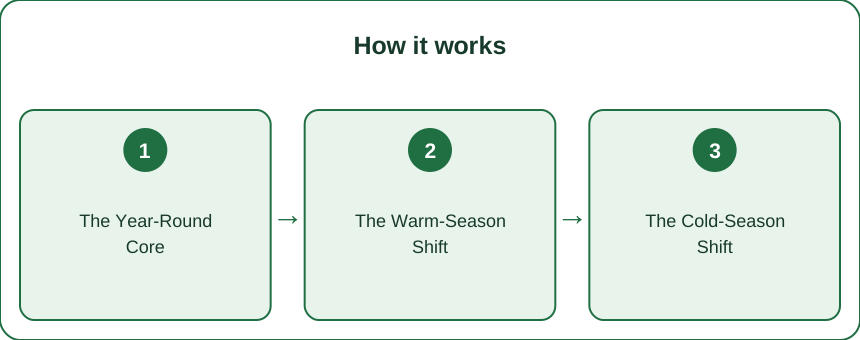
The Year-Round Core
What never rotates: the climate-controlled constants (the gym floor runs 18-22°C year-round — the leggings, shorts-tier, tanks and sports bras that serve indoor training are seasonless; the capsule chapter’s 60% core), the rotation implication (the seasonal wardrobe is really the COMMUTE-and-outdoor wardrobe — the layers that get you there and the kit for training outside; the indoor kit needs no calendar), and the drawer architecture (the core stays front-and-center all year — the seasonal-switch ritual from the capsule chapter touches only the layers-and-outdoor shelf).
The Warm-Season Shift
The summer kit: the outdoor-training additions (the running shorts and skorts at peak rotation, the sweat-tier tank multiplication — the high-sweat season’s laundry math wants more tops; the heat chapters’ light-colors-and-airflow doctrine), the sun layer (the caps, sport shades and UPF tier joining the bag — the sun-protection kit as summer equipment), the sweat-management upgrades (the extra towel, the electrolyte sachets, the spare-top-in-the-bag habit — the summer emergency-kit amendments), and the commute simplification (the one-mile-wear summer uniform — the season when gym clothes and life clothes merge easiest).
The Cold-Season Shift
The winter kit: the layer system activation (the three-layer architecture from the cold-weather chapter — the wicking base, the fleece middle, the shell; the commute-and-outdoor training wardrobe that peels at the gym door), the extremities box (the gloves, headbands and warm socks that live in the bag October-through-March — the small items that decide winter comfort), the indoor adjustments (minimal — the long-sleeve tier for the warm-up, shed by set two; the gym’s climate makes winter training clothes a commute story), the visibility overlay (the dark-season reflective kit from the night-run chapter — the winter default, not the exception), and the post-workout warmth (the dry-layer-for-the-commute-home rule — the sweat-damp walk to the car in January is the winter cold’s actual bite).
The Transition Weeks
The in-between seasons: the layer-flexibility priority (the shoulder seasons want the zip layer and the packable shell — the adjust-mid-session pieces; the spring morning that’s winter and the spring noon that’s summer, dressed for both), the two-shelf overlap (the transition weeks keep both seasons accessible — the switch ritual delayed until the weather commits; the premature summer-switch meets the April cold snap), the audit opportunity (the seasonal transition doubles as the wardrobe audit from the capsule chapter — the worn-out summer kit noted at pack-away, the replacement list written for next year’s sales), and the readiness principle (the seasonal kit ready BEFORE the season — the first cold morning with gloves already in the bag versus the one spent finding them; the transition managed is the training uninterrupted). Core constant, layers rotating, transitions overlapped: the year, dressed for.
Indoor core is seasonless, seasons live in layers and commutes, extremities box for winter, overlap the transitions. The gym wardrobe follows the commute’s calendar — rotate the shell, keep the core.
See It in Motion
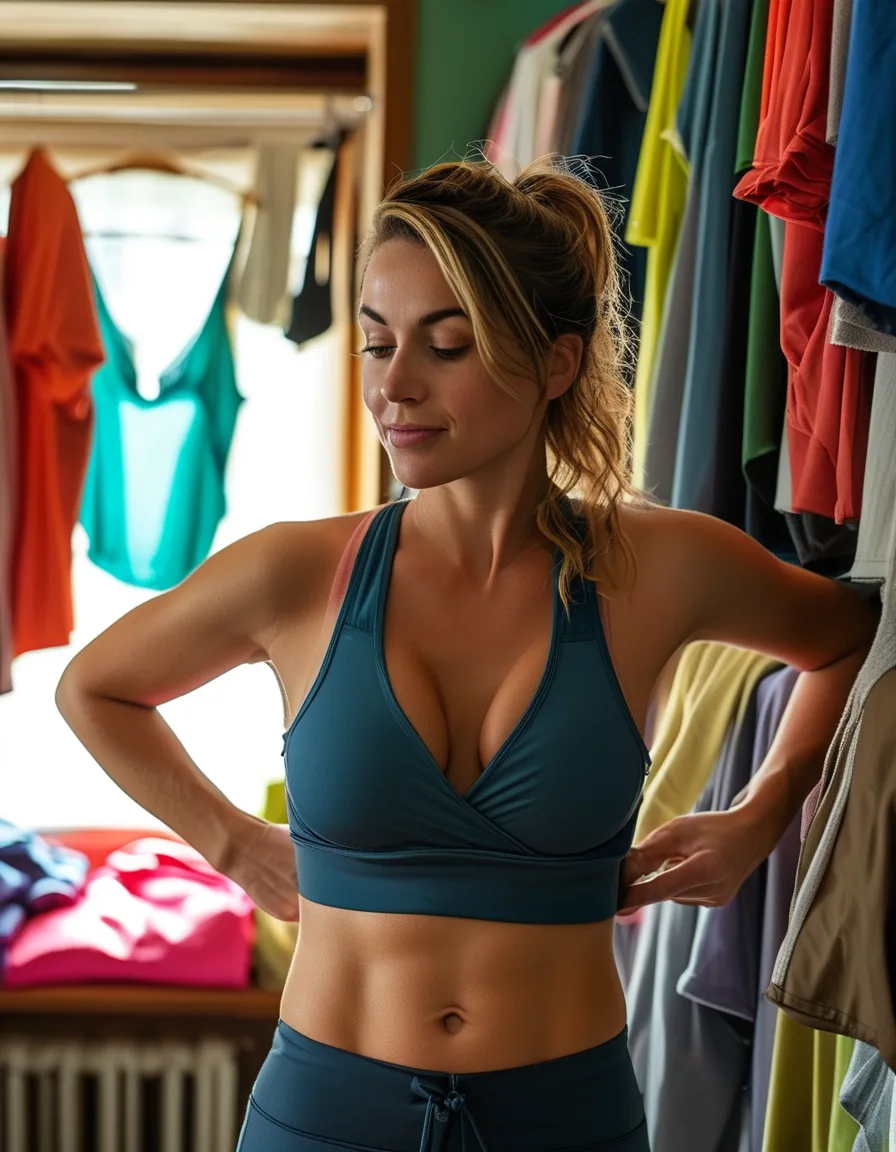
Seen here: Racerback Tank Top - White — shop similar styles on bubblelime.com
Keep Reading
This article is for general informational and styling purposes only. Fit, sizing, and product availability may vary.