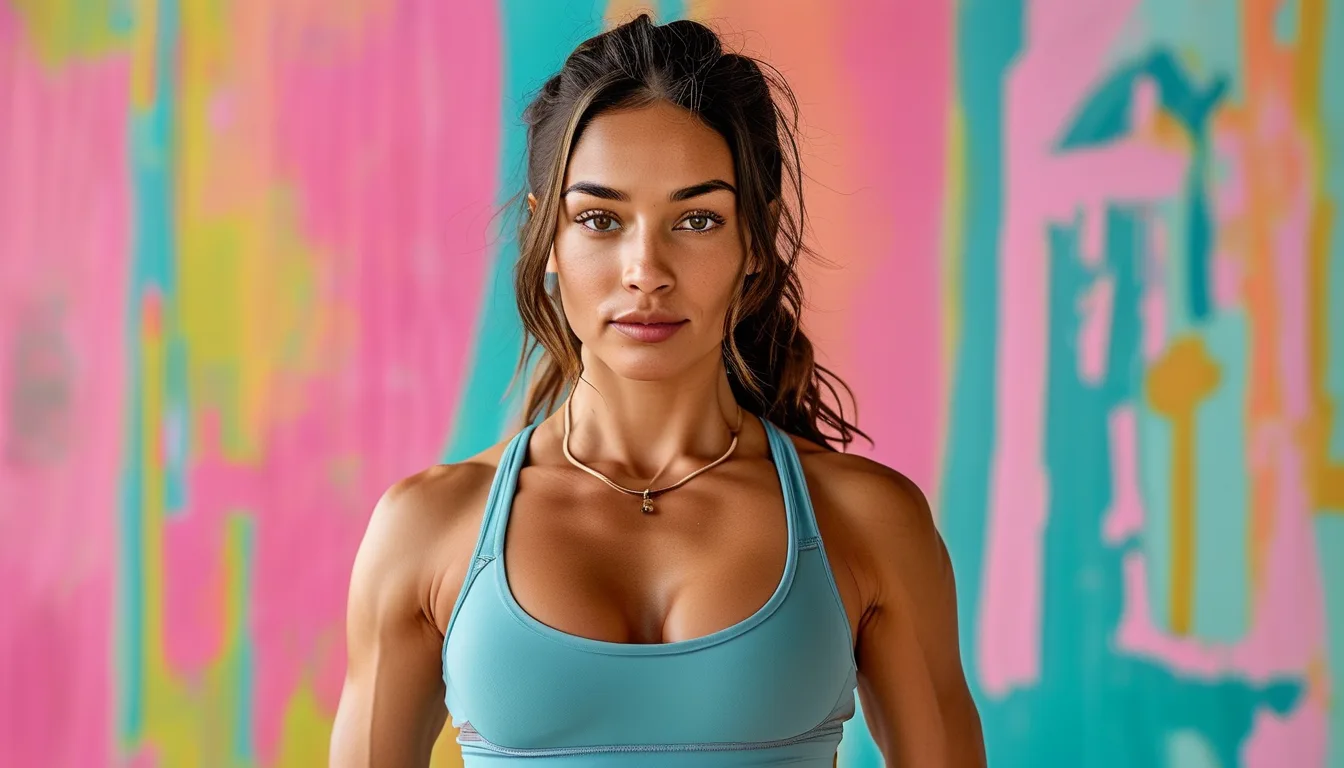
Why the Same Size Fits Differently Across Two Brands You Already Own
Quick Answer: Sizes differ between brands because there is no enforced standard. Each label chooses its own fit model, its own grading increments between sizes, its own fabric stretch percentage, and its own intended compression level. A medium is a decision, not a measurement — which is why the size chart in centimetres is far more useful than the letter on the label.
Once you know your own numbers, most of the guesswork disappears.
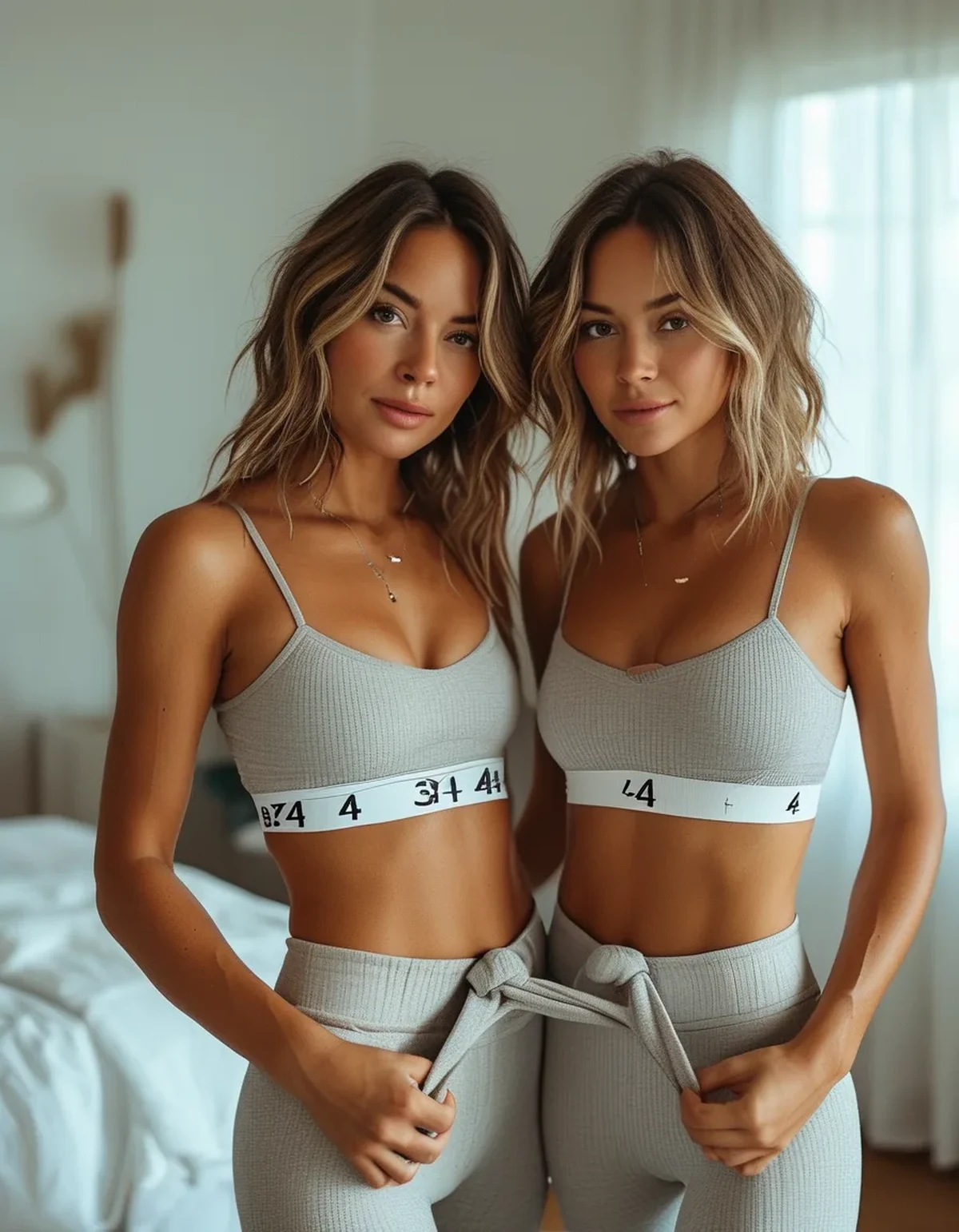
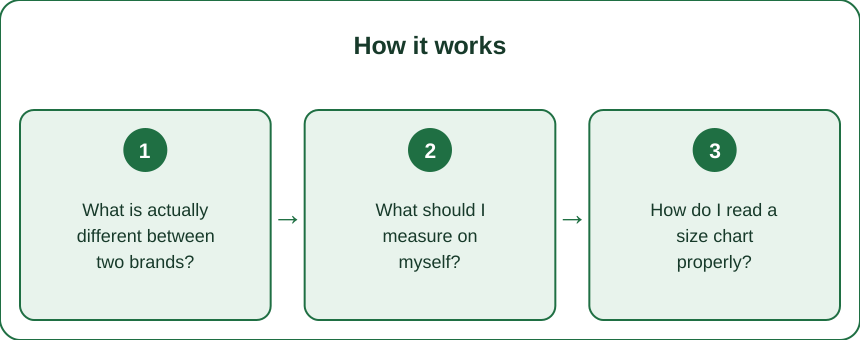
What is actually different between two brands?
The fit model. Every brand develops garments on a specific body, and every measurement flows from that person’s proportions. Two brands with different fit models will produce differently shaped mediums even from identical measurements.
The grading increments. Going from small to medium might add 5cm at the hip in one brand and 4cm in another. Across four or five sizes those differences compound substantially.
Fabric stretch and recovery. A fabric with 20 percent elastane behaves completely differently from one with 8 percent, at the same nominal size. Recovery — how well it returns after stretching — determines whether it still fits at week six.
Intended compression. Some brands deliberately size down for a compressive feel; others cut for comfort. Both are legitimate design choices and neither is disclosed on the label.
What should I measure on myself?
Four numbers cover almost everything: natural waist, the fullest part of the hip, the inseam from crotch to ankle bone, and underbust plus full bust for tops and bras.
Measure over the underwear you would train in, standing normally, with the tape snug but not compressing. Measuring while holding your breath or pulling the tape tight is the most common error and it consistently produces garments that are too small.
Write them down and keep them on your phone. Almost every online size chart uses these four figures.
Re-measure every six months. Bodies change and the numbers you took two years ago are not the ones the chart should be reading.
Late summer note: many people measure slightly larger in hot weather due to fluid retention, which is a real effect and a reason not to size down based on a single measurement taken in August.
How do I read a size chart properly?
Find the garment measurement, not the body measurement, when it is offered. Some brands publish both. The garment measurement tells you the actual dimension of the item flat, which is far more informative.
Check whether the chart lists a range or a single value. A range means you may be at the edge of two sizes, and at the edge, the fabric stretch decides.
Size to the largest of your measurements for bottoms — usually the hip — and accept that the waist may need a different rise or cut rather than a different size.
Read the fabric composition alongside the chart. High elastane means the chart is more forgiving; low elastane means it is close to literal.
Myth vs Fact: Activewear Sizing
Myth: Vanity sizing means everything runs large now. Fact: Activewear frequently runs the other way, because compression fits are cut deliberately small. The direction varies by brand and by category within the same brand.
Myth: If it is tight at first it will stretch to fit. Fact: Good technical fabric is designed to recover, not to stretch permanently. If it needs to stretch out to be comfortable, the recovery will fight you every session.
Myth: A tighter legging is more supportive. Fact: Beyond a point, excessive tightness causes waistband roll-down and seam pressure rather than support. Support comes from fabric construction and panelling.
Myth: Your size should be consistent across a single brand. Fact: It often is not, because different product lines use different fabrics and different intended fits. A brand’s flagship legging and its lightweight summer version regularly need different sizes.
Myth: Returns data means brands will eventually standardise. Fact: Fit is a competitive differentiator, so brands have an incentive to keep their own. Standardisation is unlikely.
How do I use this when buying online?
Order one size in two cuts rather than two sizes in one cut. The cut usually matters more than the size, and this tells you more per return.
Read the model’s height and size worn. Most brands publish it, and it is the single most useful line on a product page for judging rise and inseam.
Check the return window against your wash schedule. Try garments on over the underwear you would train in, do a full squat and an overhead reach, and decide before the tags come off.
Keep a note of what worked. A short list on your phone of brand, product line, and size that fitted well is worth more than any size chart, because it captures all four hidden variables at once.
Reorder the same product line rather than the same brand. Brands change fabrics between seasons, and last year’s flagship legging in this year’s fabric can genuinely need a different size.
FAQ: Sizing Questions, Answered
Should I size up or down if I am between sizes?
For leggings and bottoms, size to the hip measurement and check the rise. For sports bras, size to the underbust and adjust the cup rather than the band. Sizing up for compression garments usually produces sagging rather than comfort.
Do reviews saying “runs small” help?
Only in aggregate, and only when reviewers state their measurements. A single review without numbers tells you about that person’s expectations, not the garment.
Why does the same item fit differently in a new colour?
Different dye processes and different fabric batches genuinely produce small differences, and darker or heavily printed fabrics sometimes have slightly different stretch.
TL;DR:
- There is no enforced sizing standard, so a medium is a design decision, not a measurement.
- Fit model, grading increments, fabric stretch and intended compression all differ by brand.
- Keep four measurements on your phone: waist, hip, inseam, underbust and bust.
- Size to your largest measurement and let the cut handle the rest.
- Fabric that has to stretch out to fit will fight you every session.
Stop reading the letter. Read the centimetres.
See It in Motion
Seen here: Super High Waist Embossed Yoga Leggings with Inner Pocket — shop it on bubblelime.com
Keep Reading
This article is for general informational and styling purposes only. Fit, sizing, and product availability may vary.