The 30-Second Squat Test That Prevents See-Through Leggings Before You Leave the House
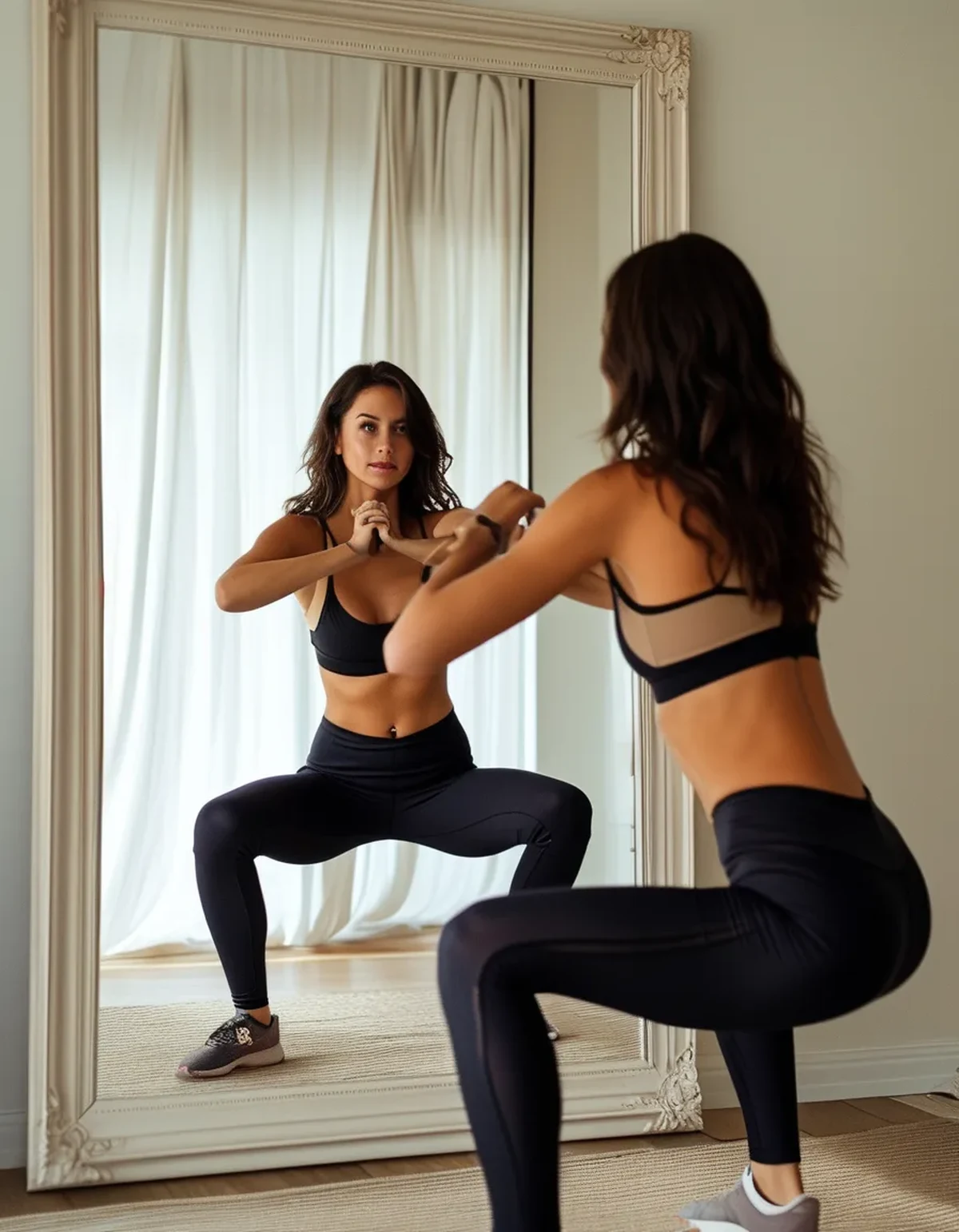
Quick Answer: Bend forward or do a deep squat in front of a well-lit mirror (natural daylight works best) before wearing any new leggings to a workout — fabric that looks opaque standing still often becomes sheer under the stretch of a squat, which is the actual test that matters.
Leggings look completely opaque in the store’s fitting room mirror. On the gym floor, mid-squat, they don’t. The store mirror was never testing the fabric under the condition that actually matters.
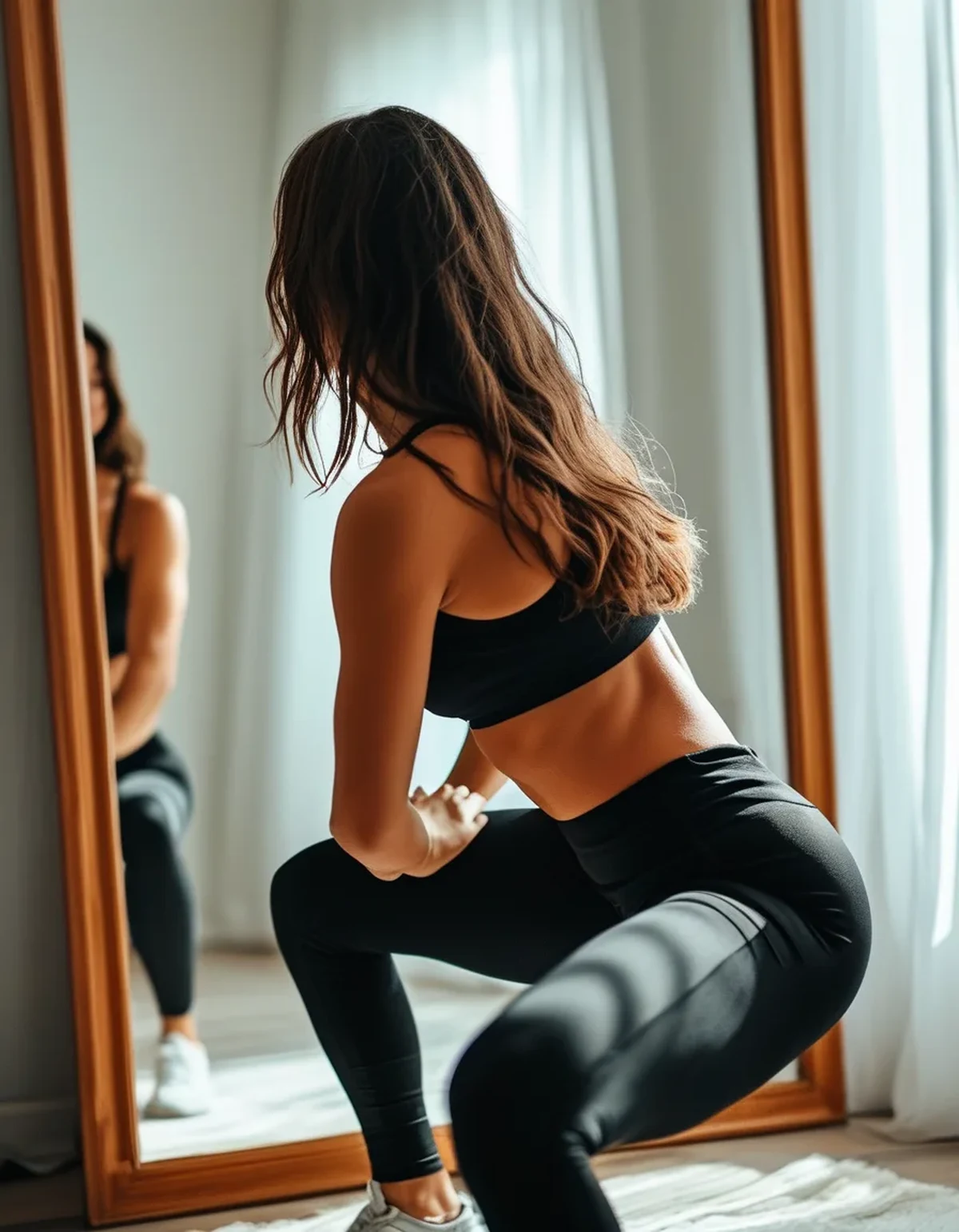
Why does standing-still opacity not predict squat opacity?
Fabric fibers stretch and thin out under tension — the deep hip-crease stretch of a squat pulls fabric taut in a way that standing straight never does, which is exactly when thinner fabric becomes sheer. A legging can pass a standing mirror check and fail completely the moment real movement starts.
What’s the actual correct way to test before wearing them out?
Deep squat or a forward fold, in natural daylight, in front of a mirror, checking specifically the seat and thigh areas under that stretched position. Store fitting room lighting is often dim or artificial, which can hide sheerness that shows clearly in daylight — testing at home near a window gives a much more accurate read.
Gym Outfit Confidence Guide: 5 Signs Leggings Might Be Sheer Before You Even Test Them
1. A very light or bright color, which shows sheerness far more readily than dark colors like black or navy. 2. A price point noticeably lower than typical for the brand’s usual quality tier. 3. Fabric that feels thin or lightweight when stretched between two hands. 4. No mention of squat-proof or opacity testing in the product description. 5. A high percentage of a stretchy fiber (spandex) relative to a low percentage of structural fiber, which can thin more under tension.
Does color choice matter as much as fabric quality for sheerness risk?
Yes, significantly — light gray, especially heathered gray, is the single riskiest color for visible sheerness, since it has the least color density to mask any thinning. Black remains the most forgiving color even on borderline fabric quality.
FAQ: Preventing See-Through Leggings, Answered
Can leggings that passed the squat test still become sheer over time with wear?
Yes — fabric can thin with repeated washing and stretching, so it’s worth periodically re-checking leggings that have seen months of regular use.
Does higher price always mean better opacity?
Not always, but it’s generally correlated — brands with dedicated squat-proof testing and thicker fabric blends tend to price accordingly, though it’s not a guarantee.
Is there a fabric composition to specifically look for?
Blends with a higher percentage of nylon or polyester relative to spandex, and a heavier fabric weight (often listed in grams per square meter), tend to run more opaque under stretch.
TL;DR:
- Standing-still opacity doesn’t predict squat opacity — fabric thins under real stretch
- Test with a deep squat or forward fold in natural daylight before wearing leggings out
- Light colors, especially heathered gray, carry the highest sheerness risk
- Higher nylon/polyester content and heavier fabric weight tend to run more opaque
The squat test takes 30 seconds at home and catches exactly what the store mirror never will.
See It in Motion
Seen here: Super High Waist Embossed Yoga Leggings with Inner Pocket — shop it on bubblelime.com
Keep Reading
This article is for general informational and styling purposes only. Fit, sizing, and product availability may vary.