How to Layer for a Freezing Gym Without Overheating 10 Minutes In
Quick Answer: The right cold-gym system is a thin moisture-wicking base layer, a light zip-up or vest as a removable mid-layer, and gloves or a headband as the first things you take off once you’re warm. Avoid heavy layers that can’t easily come off mid-session — that’s what causes the overheat-then-freeze cycle.
You show up to a cold studio bundled up, feel great for the first 10 minutes, then you’re peeling off layers mid-set while your equipment and belongings pile up. There’s a more deliberate way to layer that avoids this entirely.
Why does the standard ‘just wear more’ approach backfire?
Your body temperature rises quickly once you start moving, often within the first 10-15 minutes of a warm-up, but a cold studio’s ambient temperature doesn’t change — meaning you need less insulation almost immediately after you needed the most.
Heavy layers that seemed necessary standing still before class become genuinely uncomfortable and sweat-trapping once you’re actually working, which is why the layering strategy matters more than the total amount of clothing.
What’s the actual layering system that works?
Base layer: a thin, moisture-wicking long-sleeve or fitted top — this is what stays on the whole session and manages sweat as you warm up.
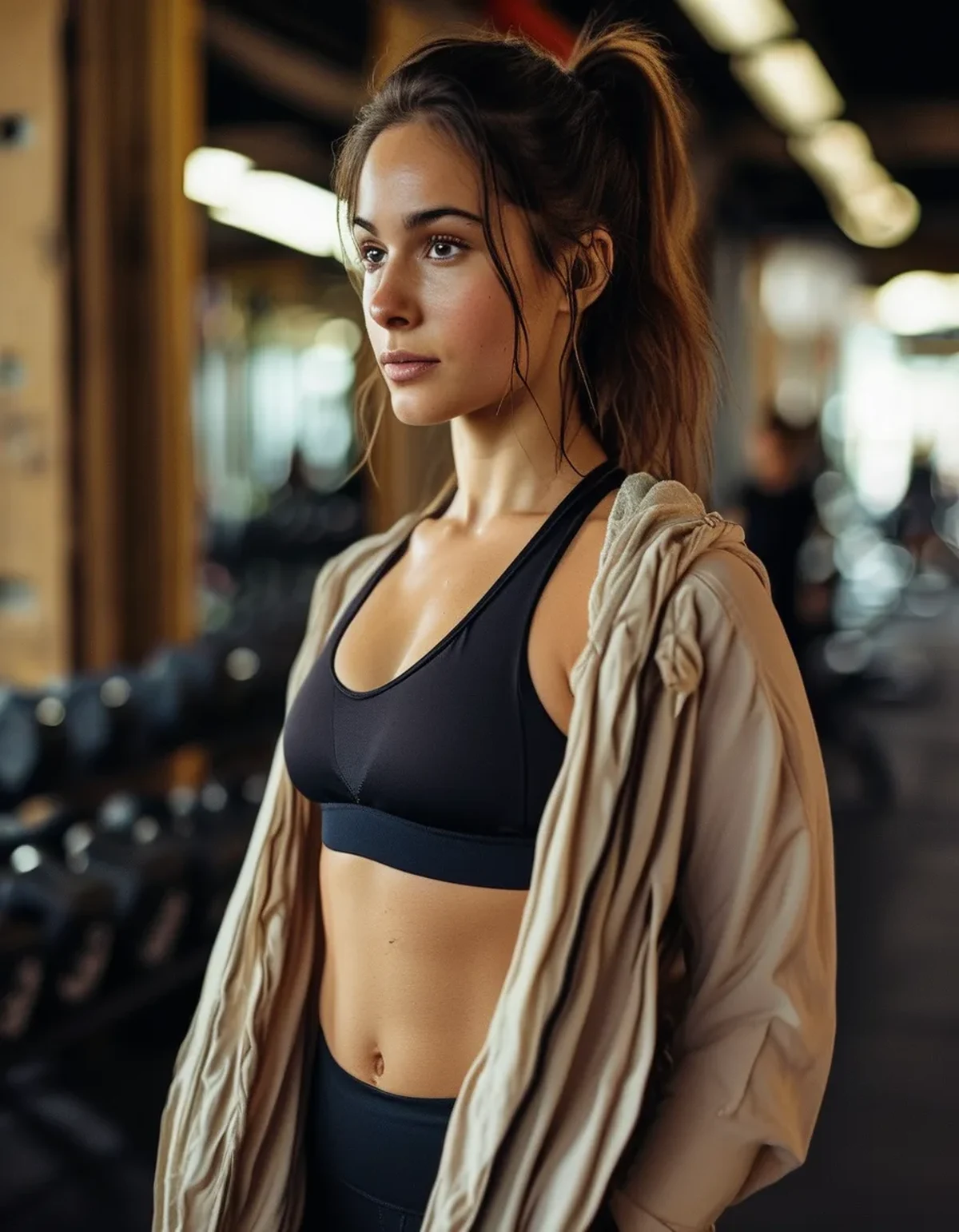
Mid layer: a light zip-up jacket or vest, easy to remove one-handed and tie around your waist or stash in seconds — this is your temperature buffer for the first 10-15 minutes before you’re fully warmed up.
Extremities: gloves, a headband, or arm warmers — these are usually the first things to come off since hands and ears feel cold fastest but also warm up fastest once you’re moving, and they’re the easiest to remove without interrupting your workout.

5 Mistakes People Make Layering for Cold Gyms
1. Wearing a thick hoodie as the only layer. Hard to remove mid-set and traps sweat once you’re warm, with no lighter layer underneath to fall back on.
2. Cotton base layers. Cotton holds sweat rather than wicking it, making you colder once you stop moving between sets.
3. Not planning where removed layers go. A small bag or designated spot prevents mid-workout scrambling and lost items.
4. Overdressing the legs and underdressing the core. Core temperature drives overall comfort more than leg temperature for most people — prioritize a light core layer over heavy leggings.
5. Ignoring the specific studio’s typical temperature. Some studios run consistently colder (spin, some strength studios) than others (heated yoga) — dress for the specific class, not a generic ‘gym’ assumption.
How do you handle the actual removal mid-workout?
Choose a mid-layer with a full zip rather than a pullover — one-handed removal between sets or during a water break is far more practical than wrestling out of a pullover mid-session.
Tie removed layers around your waist or have a small designated spot (a corner of your gym bag, a specific rack) rather than dropping them randomly — this small habit prevents the scramble at the end of class.
FAQ: Cold Gym Layering Questions, Answered
Should I wear a thermal base layer or a regular fitted top?
For genuinely cold studios (unheated spin or strength rooms in winter), a thin thermal or moisture-wicking base layer performs better than a plain cotton or regular fitted top, which won’t manage sweat as well once you warm up.
Is it better to be slightly cold at the start of class or slightly too warm?
Slightly cold at the very start is generally the better trade-off — you’ll warm up within minutes of moving, while starting overdressed means peeling off layers while already sweating.
Do gloves actually help in a cold gym, or are they unnecessary?
They help meaningfully for cardio-focused or outdoor-adjacent cold studios, since hands can stay cold even after your core warms up — easy to remove once circulation picks up.
TL;DR:
- Cold-gym layering should prioritize removability, not total insulation — you’ll warm up faster than the room will
- A thin wicking base layer plus a light, easily removable zip-up mid-layer beats one thick layer
- Extremities (hands, ears) are the easiest and most useful things to layer separately
- Plan where removed layers go before class starts to avoid mid-workout scrambling
Dress slightly cold at the start on purpose — it’s a better bet than overdressing and fighting your own layers ten minutes into class.
See It in Motion
Seen here: High Waist Yoga Leggings with Side Pockets — shop it on bubblelime.com
Keep Reading
This article is for general informational and styling purposes only. Fit, sizing, and product availability may vary.