Does Your Workout Outfit Color Actually Affect Performance? What the Research Says
Quick Answer: Color doesn’t change physical performance directly, but it can influence perceived confidence, motivation, and even how competitors or observers perceive you — red in particular has research links to perceived dominance in competitive contexts. The bigger performance driver is genuinely feeling good in what you’re wearing.
That black-vs-bright-color debate over gym fits isn’t just vanity — there’s real, if modest, psychology research behind why color choice can shift how a workout feels, even if it isn’t rewriting your actual muscle output.
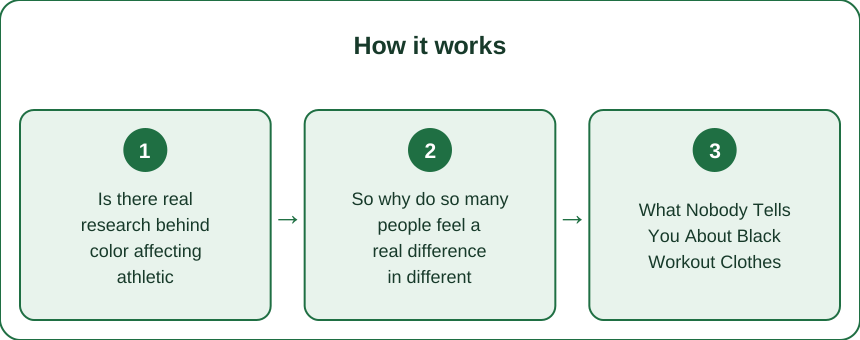
Is there real research behind color affecting athletic performance?
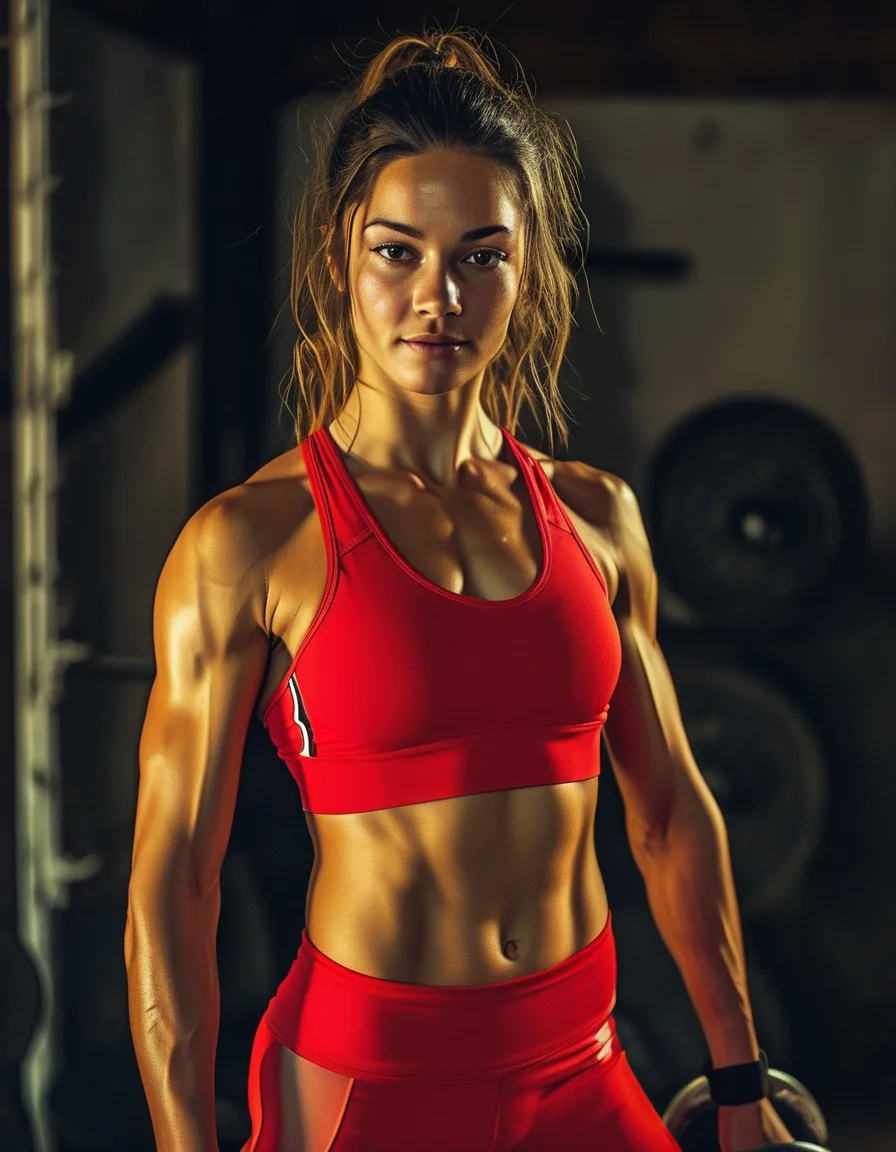
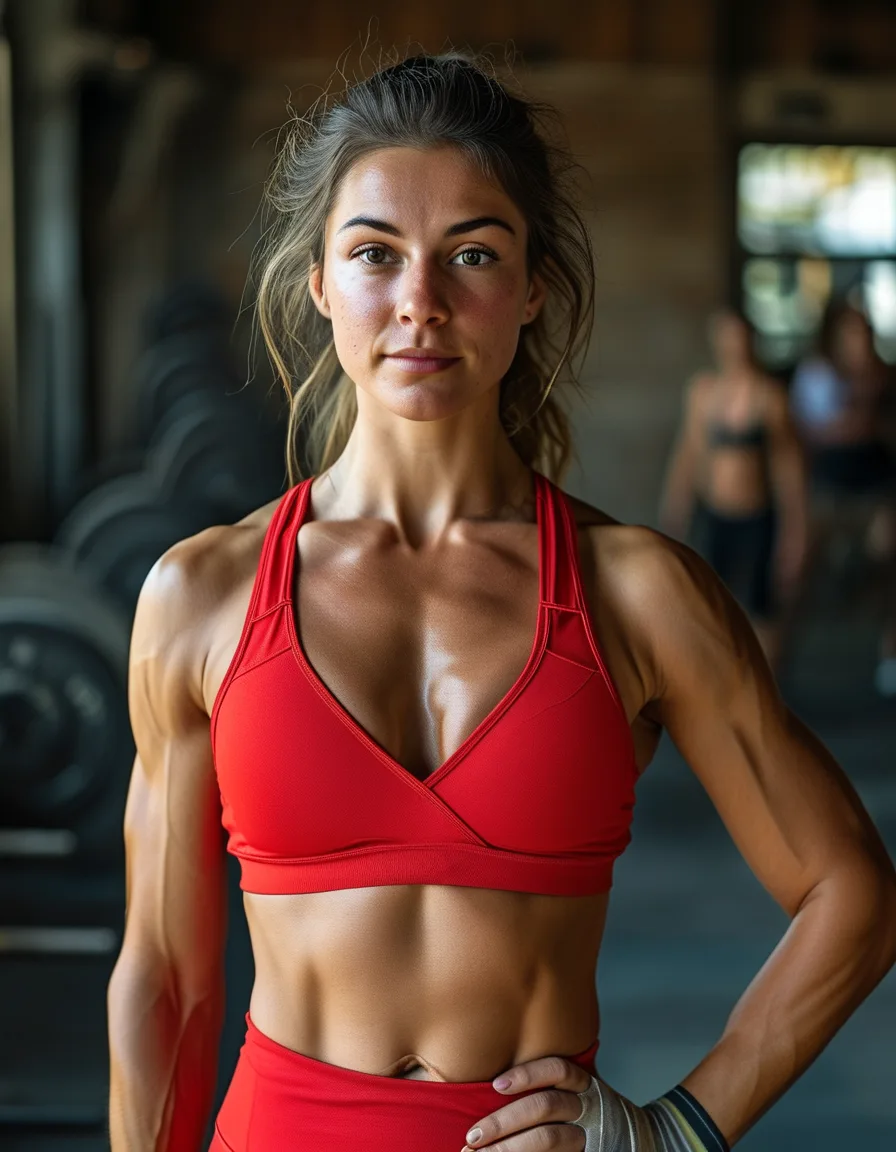
The most cited research is around red and perceived dominance — studies on competitive sports found athletes wearing red had a slight edge in some judged or head-to-head contexts, theorized to relate to how red is perceived by opponents and referees rather than a direct physiological boost to the wearer.
For solo training (lifting, running, group fitness), there’s no strong evidence any specific color changes actual strength or endurance output — the effect, where it exists, is more social and perceptual than biomechanical.
So why do so many people feel a real difference in different colors?
This is largely the ‘enclothed cognition’ effect — a well-documented psychological phenomenon where what you wear measurably affects how you think and behave, independent of the item’s actual properties. Feeling confident, put-together, or ‘ready to perform’ in an outfit can genuinely shift motivation and focus, even without a physiological color effect.
This explains why a favorite color or outfit can create a real subjective performance boost — it’s psychological, not chemical, but the resulting behavior change (more effort, more focus) is real.
What Nobody Tells You About Black Workout Clothes
Black gym wear is often chosen for a ‘slimming’ or ‘serious’ look, but there’s an overlooked practical downside: black fabric absorbs more heat in direct sun or bright indoor lighting, which can genuinely affect comfort and perceived exertion during longer or hotter sessions — a real physical factor, unlike most color-performance claims.
For outdoor training in warm conditions specifically, lighter colors have a measurable heat-absorption advantage that has nothing to do with psychology.
Does this mean outfit color is basically irrelevant to performance?
Not entirely — the psychological confidence effect is real and can meaningfully affect effort and consistency, which are genuine performance factors over time. The takeaway isn’t ‘colors don’t matter,’ it’s that the mechanism is confidence and comfort, not a direct physiological color effect.
Choosing colors that make you feel strong and want to show up consistently is a legitimate performance strategy — just not for the reason most color-psychology claims suggest.
FAQ: Workout Outfit Color Questions, Answered
Should competitive athletes actually choose red strategically?
Some research suggests a slight edge in judged or combat-sport contexts, though the effect size is modest and far smaller than skill or training level.
Does color affect motivation more for beginners or experienced athletes?
The enclothed cognition effect appears to apply broadly, though beginners building a workout habit may benefit most from any psychological edge that increases consistency.
Is there a ‘worst’ color choice for working out?
Not psychologically, but practically, very dark colors in direct heat and sun exposure are the closest thing to an objectively worse choice for comfort during outdoor training.
TL;DR:
- No color directly boosts strength or endurance, with the narrow exception of red’s modest edge in some judged competitive contexts
- Feeling confident in an outfit (enclothed cognition) genuinely affects motivation and effort
- Black clothing has a real practical downside in heat absorption during hot or sunny training
- Choosing colors that make you want to show up consistently is a legitimate, if indirect, performance strategy
The color doesn’t lift the weight — but if it gets you to actually show up and try harder, that part is real.
See It in Motion
Seen here: UPF 50+ Short Sleeve Rashguard Swim Shirt — shop it on bubblelime.com
Keep Reading
This article is for general informational and styling purposes only. Fit, sizing, and product availability may vary.