What to Actually Wear to Your First Gym Class (So You're Not Guessing at the Door)
Quick Answer: For most classes, moisture-wicking fitted-but-not-restrictive layers work: fitted top (not loose, so instructors and you can see form), supportive leggings or shorts, and grippy-soled shoes — except cycling (clip-in shoes if available) and yoga/Pilates (barefoot or grip socks, no shoes at all).
You signed up for the class. You’re mentally ready. Then you stand in front of your closet with zero idea whether you need shoes, socks, or a specific kind of top — and that small uncertainty is enough to make people bail entirely.
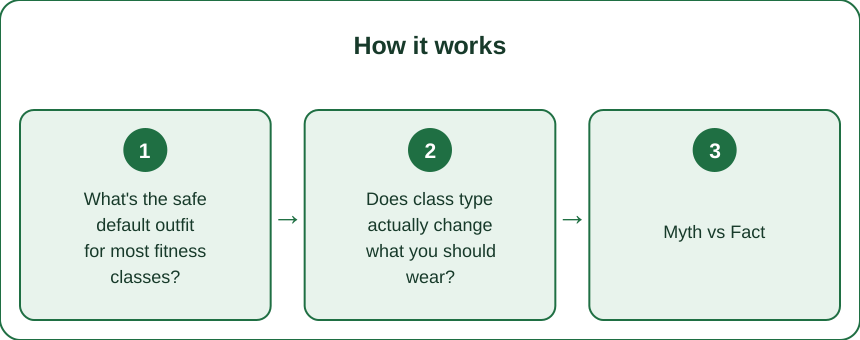
What’s the safe default outfit for most fitness classes?
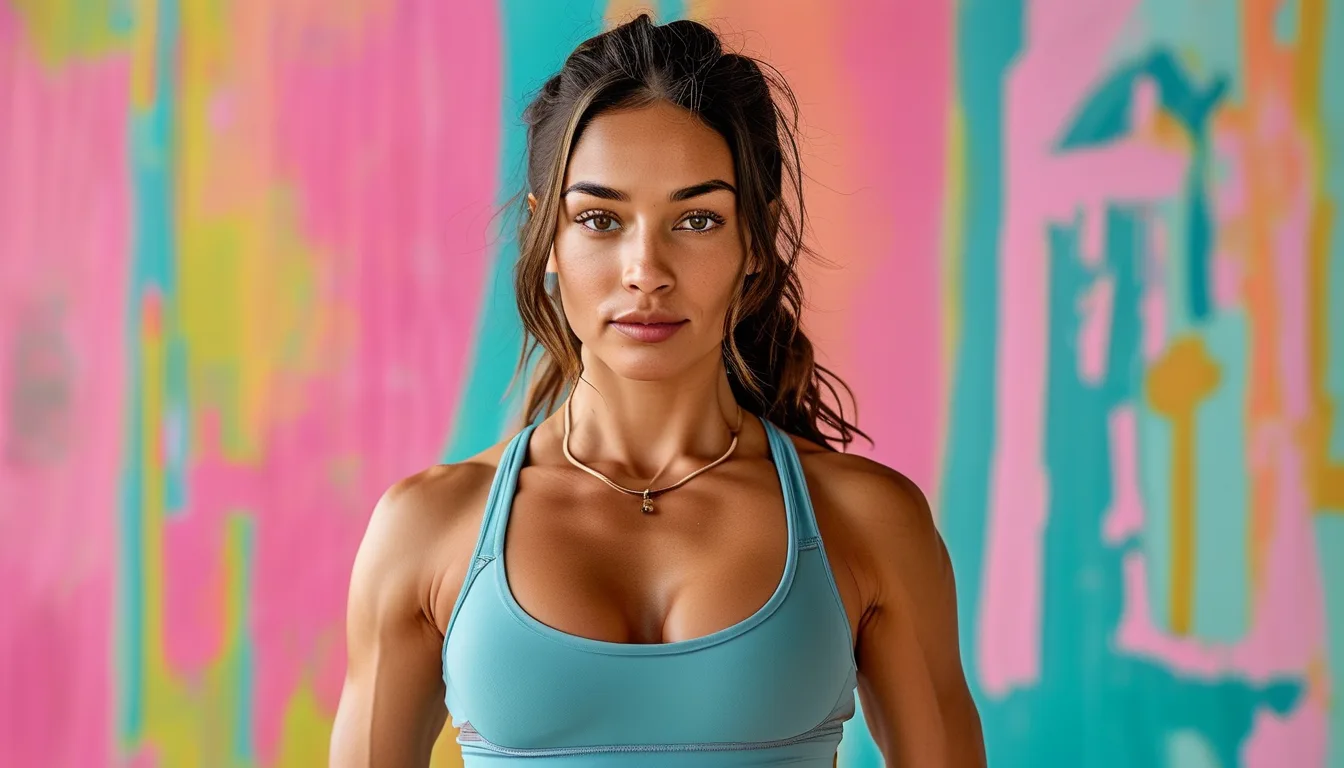
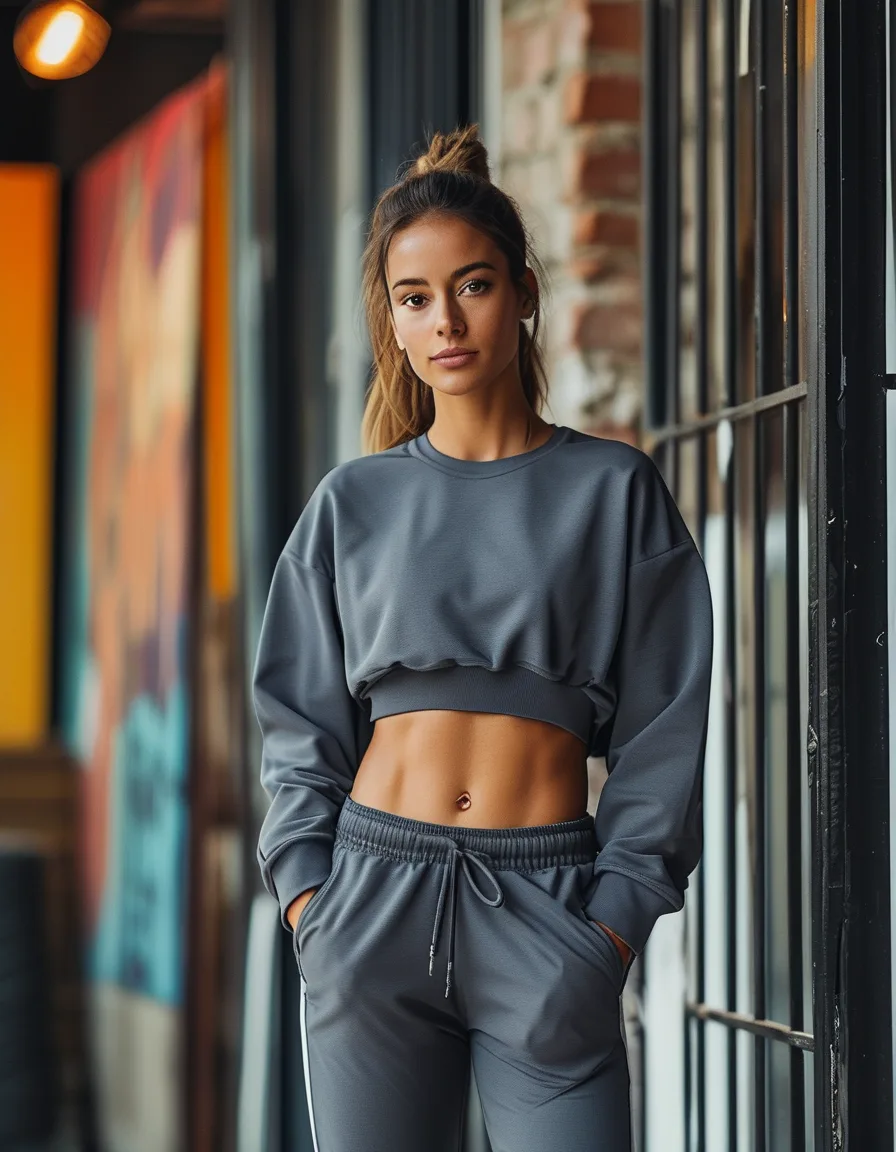
A fitted (not loose) moisture-wicking top, supportive leggings or bike shorts, and a sports bra rated for medium-to-high impact covers roughly 80% of group classes — HIIT, strength, bootcamp, dance cardio.
Fitted doesn’t mean tight for appearance — it means an instructor (and you, in a mirror) can actually see your joint alignment, which loose baggy clothing hides and can make form corrections harder to give or receive.
Does class type actually change what you should wear?
Yes, in two specific cases people get wrong most often:
- Cycling/spin: if the studio uses clip-in pedals, you need compatible shoes (often rentable on-site) — regular sneakers work with cage pedals but not clip systems, so check ahead.
- Yoga and Pilates: both are typically done barefoot or in grip socks, never regular sneakers — shoes damage certain equipment surfaces and reduce the grip these practices depend on.
Myth vs Fact: First Gym Class Outfit Edition
Myth: You need brand-new, class-specific gear before your first session. Fact: Any moisture-wicking basics you already own work for a first class — buy specialized gear only after you know you’ll keep attending.
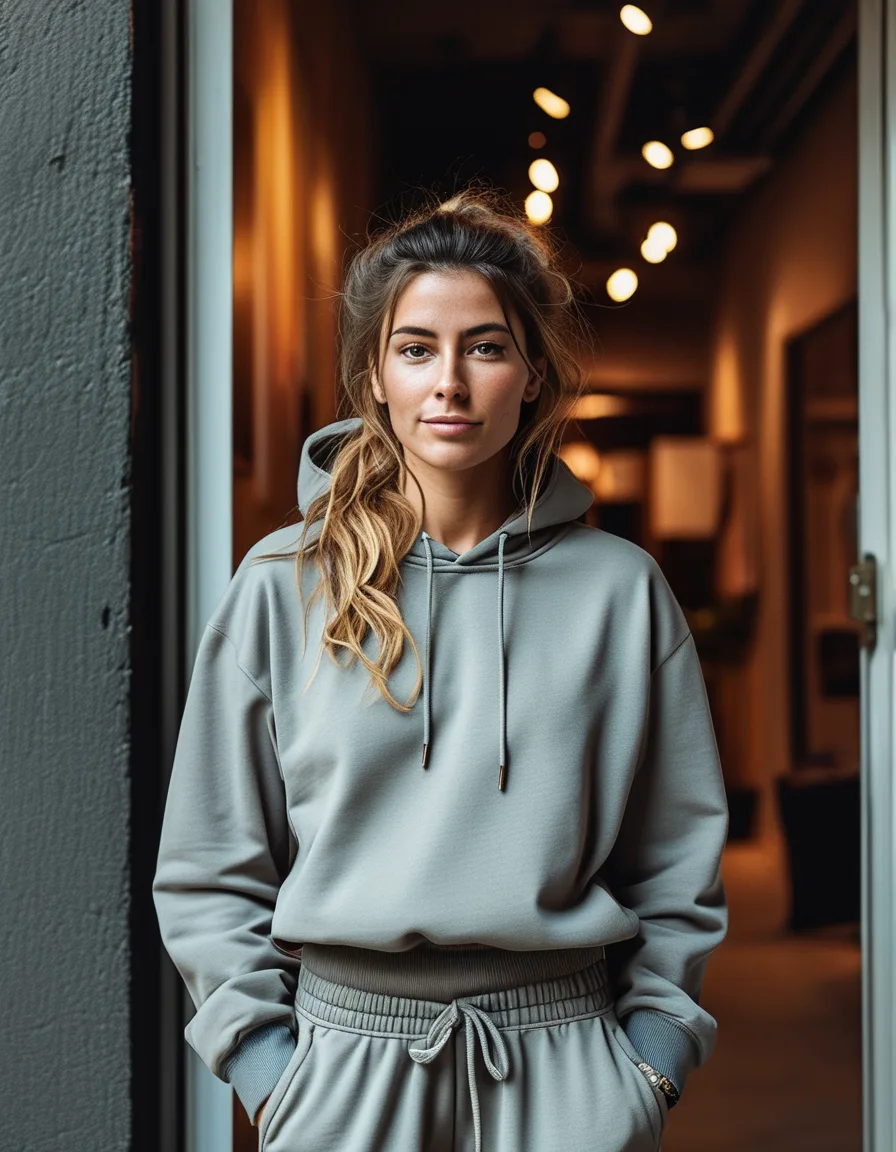
Myth: Baggier is more comfortable for beginners. Fact: Baggy clothing can catch on equipment (cables, bike seats, resistance bands) and actually creates more discomfort and safety risk than fitted layers.
Myth: Cotton is fine if it’s your only option. Fact: Cotton absorbs sweat instead of wicking it, getting heavy and clingy mid-class — fine for a single low-intensity session, not ideal for anything sweaty.
What should you actually bring besides the outfit itself?
- A small towel — most studios expect you to bring your own, especially for shared equipment
- A water bottle, since not every studio has fountains readily accessible mid-class
- Grip socks, if you’re trying Pilates or barre and don’t own a pair yet — some studios sell or rent them at the front desk
- A hair tie, even if your hair is already up — a backup prevents a mid-class stop to fix a slipping style
FAQ: First Gym Class Outfit Questions, Answered
Is it okay to wear old gym clothes to a new class?
Completely fine — instructors and fellow attendees are focused on the workout, not evaluating outfit newness. Function matters far more than how new anything looks.
What if you’re not sure what class type you’re attending?
Call or check the studio’s website — most list required footwear (barefoot, grip socks, clip-in shoes) directly on the class description page.
Should you wear something different for a trial class versus a membership class?
No difference needed — dress exactly the same as you would for any regular session; there’s no unofficial ‘first-timer’ dress code beyond the basics.
TL;DR:
- Fitted moisture-wicking top, supportive leggings/shorts, and grippy shoes cover most class types
- Cycling may need clip-in shoes; yoga and Pilates are barefoot or grip-socks only, no sneakers
- Baggy clothing can catch on equipment — fitted isn’t about appearance, it’s about safety and form visibility
- Bring a small towel, water, and a backup hair tie regardless of class type
The outfit question is one of the smallest things standing between you and walking in the door — now it’s answered.
See It in Motion
Seen here: Super High Waist Embossed Yoga Leggings with Inner Pocket — shop it on bubblelime.com
Keep Reading
This article is for general informational and styling purposes only. Fit, sizing, and product availability may vary.